
The lifecycle of medical equipment is a journey, and the “end-of-life” phase often presents a complex challenge. What happens to aging, underutilized, or decommissioned devices? Too often, they become a burden – occupying valuable space, incurring storage costs, and representing a missed financial opportunity. However, with a strategic approach to medical equipment disposition, what was once a cost center can be transformed into a significant revenue stream and a pathway to greater operational efficiency.
Decentralized processes, a lack of market insight, and the sheer volume of equipment can lead to undervalued assets, compliance risks, and administrative overhead. But by understanding the true potential of strategic disposition, you can move beyond mere disposal to a comprehensive, value-driven strategy.
The Strategic Imperative of Medical Equipment Disposition
Medical equipment disposition is far more than simply discarding old machines. It’s a systematic process of evaluating, decommissioning, remarketing, and responsibly removing retired assets. For healthcare organizations, a well-executed disposition strategy offers multiple benefits:
- Maximizing Financial Returns: Selling or consigning equipment that still holds market value can generate substantial revenue, offsetting new capital expenditures or funding other vital hospital initiatives.
- Ensuring Compliance: Proper disposition mitigates regulatory and environmental risks associated with medical waste, data security on devices, and asset tracking.
- Improving Operational Efficiency: Clearing out unused equipment frees up valuable storage space, streamlines inventory management, and reduces the burden on internal staff.
- Promoting Sustainability: Extending the life of medical equipment through refurbishment and resale contributes to a circular economy, reducing waste and supporting healthcare facilities in underserved markets.
The challenge lies in knowing which equipment truly holds value and how to navigate the secondary market effectively.
Identifying High-Value Equipment Categories for Optimal Returns
Just as new equipment varies in cost and demand, the resale market for used medical devices has its own dynamics. Certain categories consistently command stronger returns due to their essential nature, high capital cost, and durability. Understanding these can guide your disposition strategy and help you prioritize assets for remarketing.
Diagnostic Imaging Equipment
Imaging systems represent a significant investment when new, making refurbished units highly attractive in the secondary market. Their universal need across various specialties ensures consistent demand.
High-Demand Categories: Ultrasound systems, C-arms, CT scanners, MRI systems, and Digital X-ray rooms.
Why They’re Valuable: These systems are critical for diagnosis and often have long lifespans. Outpatient facilities, smaller clinics, and international buyers frequently seek refurbished imaging equipment to access advanced technology at a more accessible price point. Ultrasound systems, in particular, offer broad specialty use and compact installation.
Surgical & Operating Room (OR) Equipment
Operating rooms are the heart of many healthcare facilities, and the specialized equipment within them maintains strong demand, especially when sold as coordinated sets.
High-Demand Categories: Surgical tables, surgical lights, anesthesia machines, electrosurgical units, and patient warming systems.
Why They’re Valuable: Ambulatory Surgical Centers (ASCs) and new clinics often look for complete OR packages when establishing new facilities, creating bundling opportunities that increase overall asset value during disposition.
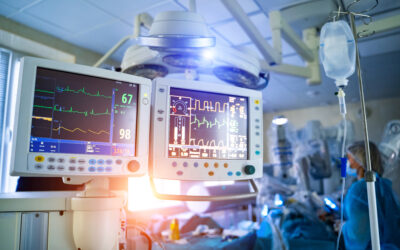
Patient Monitoring Systems
The continuous need for patient observation drives consistent demand for monitoring solutions, making them a reliable category for resale.
High-Demand Categories: Multiparameter monitors and telemetry systems.
Why They’re Valuable: Drivers include the replacement of aging units, expansion of outpatient surgical centers, growth in emergency departments, and international hospital upgrades. These systems often have a relatively fast refurbishment turnaround and predictable resale cycles.
Endoscopy Equipment
With the ongoing growth in minimally invasive procedures, endoscopy systems remain a strong performer in the secondary market.
High-Demand Categories: Complete endoscopy towers, including processors, light sources, scopes, and monitors.
Why They’re Valuable: The high new-equipment cost, coupled with increasing demand for gastrointestinal (GI) procedures and outpatient center expansion, makes properly refurbished endoscopy equipment highly sought after and capable of strong returns.
Laboratory & Diagnostic Equipment
Clinical laboratories, private diagnostic centers, and international markets frequently seek reliable laboratory equipment.
High-Demand Categories: Hematology analyzers, chemistry analyzers, centrifuges, and autoclaves.
Why They’re Valuable: While some analyzers may have specific reagent-lock restrictions, many models offer robust performance and maintain strong resale value for various diagnostic and research applications.
Durable Medical Equipment (DME)
The expansion of home healthcare and outpatient services has fueled a growing demand for durable medical equipment.
High-Demand Categories: Hospital beds, infusion pumps, patient lifts, and portable monitoring systems.
Why They’re Valuable: DME often experiences quick turnover in domestic resale markets due to its necessity in various care settings beyond the traditional hospital environment.
Key Considerations for a Successful Disposition Strategy
Before embarking on any disposition process, healthcare systems should carefully evaluate several factors to maximize value and minimize risk:
- Comprehensive Inventory Assessment: A detailed understanding of what equipment you have, its condition, and its current functionality is paramount.
- Market Valuation: Accurate valuation requires up-to-date market intelligence. Knowing the demand and pricing trends for specific equipment categories is crucial for setting realistic expectations and achieving optimal returns. reLink Medical offers access to this critical market insight, helping you make informed decisions.
- Data Security: Any device containing patient data (PHI) must be meticulously wiped and certified to meet HIPAA compliance standards. This is a non-negotiable step to protect patient privacy and avoid costly penalties.
- Logistics & Decommissioning: The physical removal, packaging, and shipping of medical equipment require specialized expertise to prevent damage and ensure safety.
- Regulatory Compliance: Navigating local, state, and federal regulations for medical device disposition, environmental impact, and asset tracking can be complex.
The reLink Medical Difference: A Centralized Approach to Disposition
Managing these complexities internally can drain resources and divert staff from core patient care. This is where a specialized partner like reLink Medical becomes invaluable. We understand that medical equipment disposition isn’t just about selling; it’s about providing a streamlined, compliant, and profitable solution for your entire healthcare system.
Our proprietary reLink360® platform centralizes every aspect of the disposition process – from initial valuation and on-site removal to secure data wiping, detailed analytics, comprehensive compliance, and strategic resale. This tech-enabled approach offers:
- Complete Visibility: Track every asset through its disposition journey, ensuring transparency and accountability.
- Maximized Returns: Leverage our market expertise and extensive buyer network to achieve the best possible value for your retired equipment.
- Reduced Risk: Ensure full compliance with all regulatory requirements, mitigating potential legal and financial liabilities.
- Operational Efficiency: Simplify and accelerate the disposition process, freeing up your team and valuable space.
Don’t let valuable assets gather dust or become a liability. With reLink Medical, you can transform your end-of-life equipment into a powerful financial and operational advantage. Our comprehensive End-of-Life Equipment Services are designed to provide the control and returns your organization needs.
Embrace a Proactive Approach to Equipment Disposition
Strategic medical equipment disposition is no longer an optional chore; it’s a critical component of sound financial management and sustainable healthcare operations. By prioritizing high-value equipment categories and partnering with an expert like reLink Medical, healthcare systems can unlock significant financial returns, ensure rigorous compliance, and streamline their asset management processes.
Ready to transform your retired medical equipment into a new revenue stream?