When healthcare organizations think about medical equipment disposition, the focus is often on equipment removal and value recovery. While those are important outcomes, successful disposition projects depend on much more than simply moving equipment from one location to another.
Behind every efficient disposition program is a logistics network capable of handling transportation, staging, storage, testing, inventory management, and resale operations. Without the right infrastructure, surplus equipment can sit idle for months, consuming valuable space and delaying projects that impact hospital operations.
As healthcare facilities continue to modernize equipment fleets, consolidate facilities, and optimize storage space, warehouse infrastructure has become a critical component of effective medical equipment disposition.
Disposition Is More Than Equipment Removal
Medical equipment disposition is often viewed as a single transaction: remove the equipment and recover value. In reality, disposition is a complex process that requires planning, coordination, and operational support.
Healthcare facilities regularly face situations where equipment must be removed quickly due to renovations, technology upgrades, department relocations, fleet standardization initiatives, mergers, acquisitions, or facility closures. In these scenarios, simply finding a buyer is only one piece of the puzzle.
Equipment frequently needs to be staged, inventoried, evaluated, tested, photographed, stored, and prepared for resale or redeployment. Without adequate warehouse capacity and logistics support, these projects can become difficult to manage and can create unnecessary burdens on healthcare staff.
The Value of Strategic Warehouse Locations
Location matters.
A warehouse network that is strategically positioned throughout the country allows equipment to move more efficiently through the disposition process while reducing transportation complexity and improving response times.
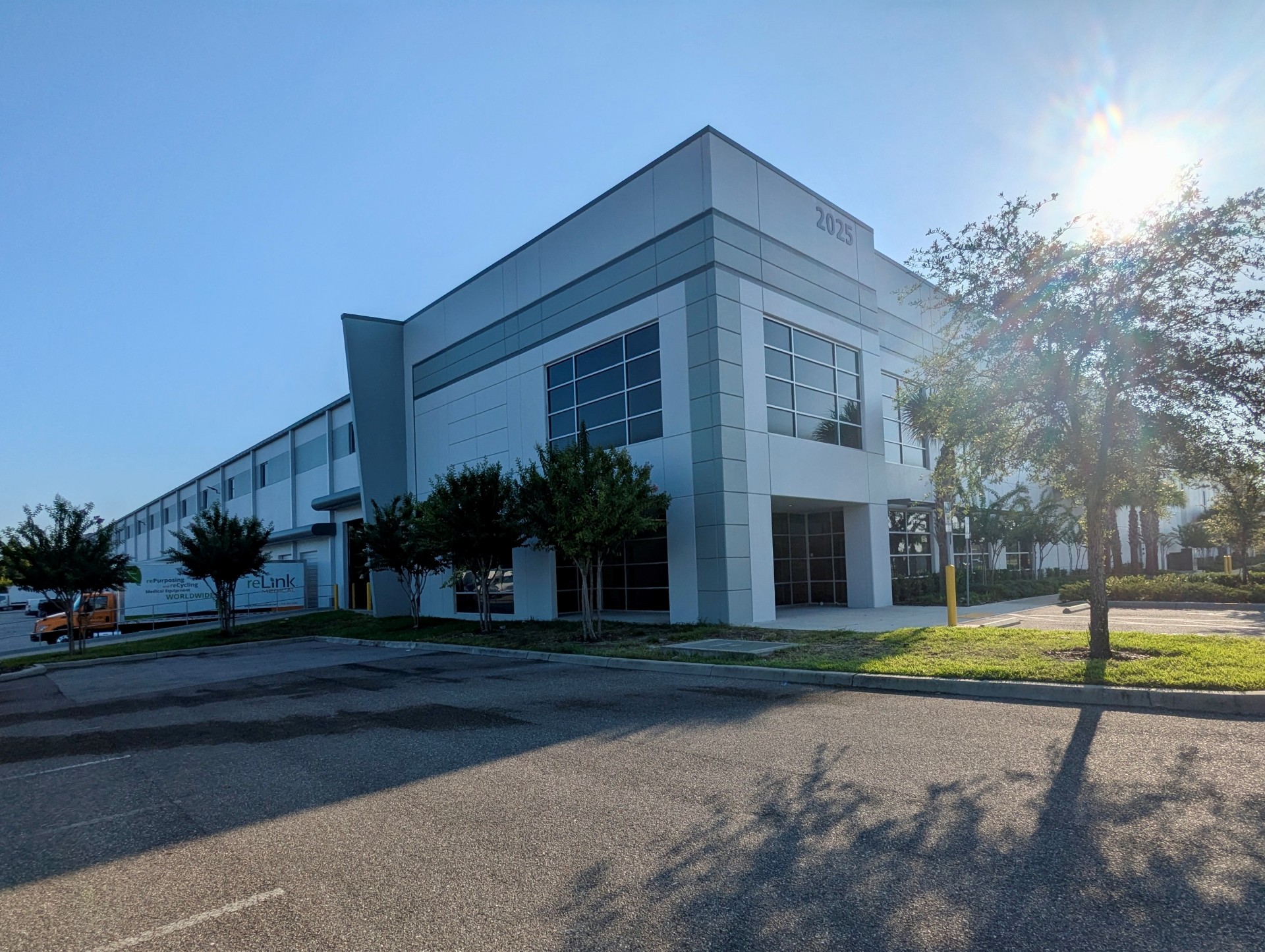
reLink Medical operates more than 400,000 square feet of warehouse and distribution space throughout the United States, including facilities in Ohio, Florida, Georgia, Louisiana, and Missouri. This regional footprint allows teams to support healthcare organizations across multiple markets while providing scalable solutions for projects of all sizes.
Strategically located facilities help reduce pickup times, improve logistics coordination, and create a more efficient path from equipment removal to final disposition.
For healthcare organizations, that means less equipment sitting idle, less storage space being consumed, and faster project completion.
Supporting Healthcare Projects of Every Size
Every disposition project comes with unique challenges.
Some healthcare facilities may be looking to remove a handful of surplus devices from storage, while others may be managing the transition of an entire department or facility.
Warehouse infrastructure provides the flexibility needed to support both scenarios.
Whether the project involves imaging equipment, surgical assets, biomedical devices, laboratory equipment, patient monitoring systems, or complete facility transitions, having access to regional warehouse capacity allows disposition providers to scale resources based on project requirements.
This flexibility becomes especially valuable during large-scale healthcare initiatives where timelines are tight and operational disruptions must be minimized.
Creating a More Efficient Equipment Lifecycle
Disposition should not be viewed as the end of an asset’s lifecycle. Instead, it should be viewed as an opportunity to maximize value while creating operational efficiencies for healthcare organizations.
A strong warehouse and logistics network allows equipment to move efficiently through evaluation, resale, redeployment, or recycling channels. This streamlined approach helps healthcare facilities recover value while freeing up space for new technology and future growth.
By combining logistics expertise, warehouse infrastructure, and established resale channels, healthcare organizations can turn surplus equipment into an asset rather than a burden.
The Future of Medical Equipment Disposition
As healthcare systems continue to evolve, the need for efficient equipment management strategies will only increase. Organizations are seeking partners that can do more than simply remove equipment—they need partners capable of supporting complex projects, managing logistics, and delivering consistent results across multiple locations.
Warehouse infrastructure plays a significant role in making that possible.
With more than 400,000 square feet of strategically located warehouse and distribution space, reLink Medical helps healthcare organizations navigate equipment transitions with greater speed, efficiency, and confidence.
When evaluating a disposition partner, it’s important to look beyond the pickup itself. The infrastructure behind the process often determines how successful the outcome will be.
Ready to Recover Value From Surplus Medical Equipment?
Whether you’re managing a department upgrade, facility transition, or ongoing equipment disposition program, reLink Medical provides the infrastructure, logistics expertise, and nationwide support needed to help you maximize value and simplify the process.
Contact our team to learn more about our medical equipment disposition solutions.