
Insights from the front lines of medical equipment lifecycle.
Blogs, case studies, white papers, and press — covering disposition strategy, reLink360 best practices, compliance, sustainability, and what's happening in healthcare.
Start here if you're new to reLink.
The Ultimate Hospital Guide to Disposing of Medical Equipment
Hospitals face mounting pressure to operate efficiently, stay compliant, and reduce environmental impact. This guide breaks down everything you need to know about disposing of surplus hospital equipment the right way.
reLink Medical Patents the Engine Behind reLink Intelligence™
U.S. Patent No. 12,683,018 protects reFramer™, the engine that has evaluated more than 13,000 devices a month and now powers reLink Intelligence™ valuation models, grounded in its own decade’s worth of verified transaction history.
Mitigating the risk and liability of improper management of used medical equipment.
Where hospitals expose themselves to compliance, HIPAA, and chain-of-custody risk when retired devices aren't handled through a managed disposition process.
All content
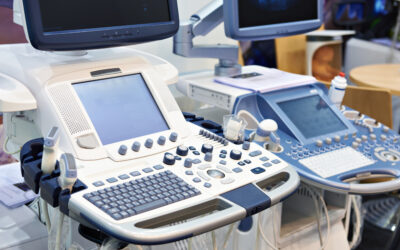
Why More Healthcare Providers Are Choosing Refurbished Medical Equipment
Healthcare organizations today face a constant challenge: delivering high-quality patient care while managing tight budgets and rapidly evolving technology. One solution many hospitals, imaging centers, and surgery centers are turning to is refurbished medical...

What to Do With Excess Medical Equipment: Turning Idle Assets Into Value
Hospitals and healthcare facilities upgrade medical equipment every year. Whether it’s part of a capital equipment refresh, department consolidation, or facility renovation, older equipment is often removed from service long before it has reached the end of its usable...

End-of-Life Medical Equipment: Repair, Replace, or Disposition?
Medical equipment rarely fails all at once. Instead, it ages gradually. Service calls become more frequent. Parts take longer to source. Downtime starts to affect scheduling. Clinical teams begin to lose confidence. End-of-life (EOL) isn’t just a technical milestone —...

Patient-Ready Equipment Across Every Modality
From continuous monitoring to life-saving interventions, healthcare organizations rely on essential clinical equipment every minute of every day. Access to dependable, patient-ready equipment isn’t optional — it’s critical. reLink Medical supports the core patient...

One Partner. Every Stage of the Equipment Lifecycle.
In the dynamic world of healthcare, effectively managing medical equipment is paramount—not just for operational efficiency, but for patient safety, financial stewardship, and regulatory compliance. This comprehensive process, known as medical equipment lifecycle...

Hidden Costs of Storing Out-of-Service Medical Equipment
The True Cost of Storing Out-of-Service Medical Equipment When medical equipment comes out of service, it often doesn’t leave the building—it just moves to a hallway, storage room, loading dock, or offsite warehouse. While that may feel like the safest short-term...

What Really Happens When Medical Equipment Comes Out of Service
When medical equipment comes out of service, it’s often treated as the end of its lifecycle. In reality, it’s the beginning of one of the most complex—and frequently underestimated—phases of equipment management. Behind every decommissioned system is a series of...

What Happens to Medical Equipment After an Upgrade?
What Happens to Medical Equipment After an Upgrade? Upgrading medical equipment is a major investment for any healthcare organization. New technology, improved performance, and expanded capabilities all support long-term operational goals. But one important question...

How Hospitals Are Rethinking Medical Equipment Purchasing
For decades, buying medical equipment followed a familiar and often frustrating routine: request a quote, wait for pricing, clarify condition details, request photos, compare options manually, and hope there are no surprises after delivery. In today’s healthcare...

Why Flat-Rate Medical Equipment Repairs Are the Future
The Problem With Traditional Repair Pricing For years, hospitals, surgery centers, and imaging centers have dealt with the same frustrating reality:medical equipment repair pricing is unpredictable. Most vendors require you to: submit a ticket wait for evaluation...

reLink Ready®: The Smarter Way for Providers to Access Medical Equipment
Healthcare teams face constant pressure: rising patient volumes, shrinking capital budgets, staffing constraints, and equipment that never seems to be available when you need it. Getting the right equipment — and keeping it running — shouldn’t be another challenge on...
How Health Systems Can Save Budget With Strategic Trade-Ins and Fleet Refresh Programs
Hospital budgets are tighter than ever in 2025. Supply chain teams are being asked to do more with less, while HTM departments are stretched managing aging fleets, capital delays, and unexpected equipment failures. One of the most overlooked opportunities for cost...
End-of-Life Medical Equipment: Repair, Replace, or Disposition?
Medical equipment rarely fails all at once. Instead, it ages gradually. Service calls become more frequent. Parts take longer to source. Downtime starts to affect scheduling. Clinical teams begin to lose confidence. End-of-life (EOL) isn’t just a technical milestone —...
Patient-Ready Equipment Across Every Modality
From continuous monitoring to life-saving interventions, healthcare organizations rely on essential clinical equipment every minute of every day. Access to dependable, patient-ready equipment isn’t optional — it’s critical. reLink Medical supports the core patient...
One Partner. Every Stage of the Equipment Lifecycle.
In the dynamic world of healthcare, effectively managing medical equipment is paramount—not just for operational efficiency, but for patient safety, financial stewardship, and regulatory compliance. This comprehensive process, known as medical equipment lifecycle...
Hidden Costs of Storing Out-of-Service Medical Equipment
The True Cost of Storing Out-of-Service Medical Equipment When medical equipment comes out of service, it often doesn’t leave the building—it just moves to a hallway, storage room, loading dock, or offsite warehouse. While that may feel like the safest short-term...
What Really Happens When Medical Equipment Comes Out of Service
When medical equipment comes out of service, it’s often treated as the end of its lifecycle. In reality, it’s the beginning of one of the most complex—and frequently underestimated—phases of equipment management. Behind every decommissioned system is a series of...
What Happens to Medical Equipment After an Upgrade?
What Happens to Medical Equipment After an Upgrade? Upgrading medical equipment is a major investment for any healthcare organization. New technology, improved performance, and expanded capabilities all support long-term operational goals. But one important question...
How Hospitals Are Rethinking Medical Equipment Purchasing
For decades, buying medical equipment followed a familiar and often frustrating routine: request a quote, wait for pricing, clarify condition details, request photos, compare options manually, and hope there are no surprises after delivery. In today’s healthcare...
Why Flat-Rate Medical Equipment Repairs Are the Future
The Problem With Traditional Repair Pricing For years, hospitals, surgery centers, and imaging centers have dealt with the same frustrating reality:medical equipment repair pricing is unpredictable. Most vendors require you to: submit a ticket wait for evaluation...
reLink Ready®: The Smarter Way for Providers to Access Medical Equipment
Healthcare teams face constant pressure: rising patient volumes, shrinking capital budgets, staffing constraints, and equipment that never seems to be available when you need it. Getting the right equipment — and keeping it running — shouldn’t be another challenge on...
How Health Systems Can Save Budget With Strategic Trade-Ins and Fleet Refresh Programs
Hospital budgets are tighter than ever in 2025. Supply chain teams are being asked to do more with less, while HTM departments are stretched managing aging fleets, capital delays, and unexpected equipment failures. One of the most overlooked opportunities for cost...

How Group Purchasing Agreements Are Simplifying Medical Equipment Disposition
The Role of GPOs in Modern Healthcare Supply Chains Hospitals and health systems rely on Group Purchasing Organizations (GPOs) to consolidate purchasing power, drive cost savings, and streamline vendor relationships. Traditionally, these agreements have focused on...

Why More Health Systems Are Outsourcing Their Imaging Buyouts
When hospitals upgrade MRI or CT systems, they often face a challenge that’s easy to underestimate: what to do with the outgoing equipment. Between deinstallation, logistics, resale, and compliance, managing an imaging buyout internally can be overwhelming. That’s why...
No Results Found
The page you requested could not be found. Try refining your search, or use the navigation above to locate the post.
No Results Found
The page you requested could not be found. Try refining your search, or use the navigation above to locate the post.
No Results Found
The page you requested could not be found. Try refining your search, or use the navigation above to locate the post.
